
What Interior Design Services in Calgary Do You Actually Need?
When homeowners compare interior design services in Calgary, they usually compare firms, one portfolio against another. But the more useful question is how much of the work you want to hand off. Professional interior design isn’t a single service; it is a ladder, and where you step onto it depends on how involved you want to be.
The distance between a full-service interior designer and a design-only engagement is the difference between handing over your entire project and keeping the reins yourself. Get that level right and everything downstream runs smoother; get it wrong, and you will feel it in your budget, your timeline, and your weekends.
Interior design is really three jobs, and you can hand off as many as you like.
Behind every project sit three distinct kinds of work. Design is the creative and technical thinking: space planning, layouts, drawings, and the selection of finishes, materials, and furnishings. Procurement is everything it takes to actually buy those selections (sourcing, quoting, ordering, tracking, and managing the damages and returns that inevitably crop up). Project management is running the build itself: coordinating trades, holding the schedule, solving the problems that surface on site, and seeing the installation through.
Every interior design service is simply a different combination of these three, which is why the real question isn’t “who is the best designer,” but “how many of these jobs do I want to keep?”
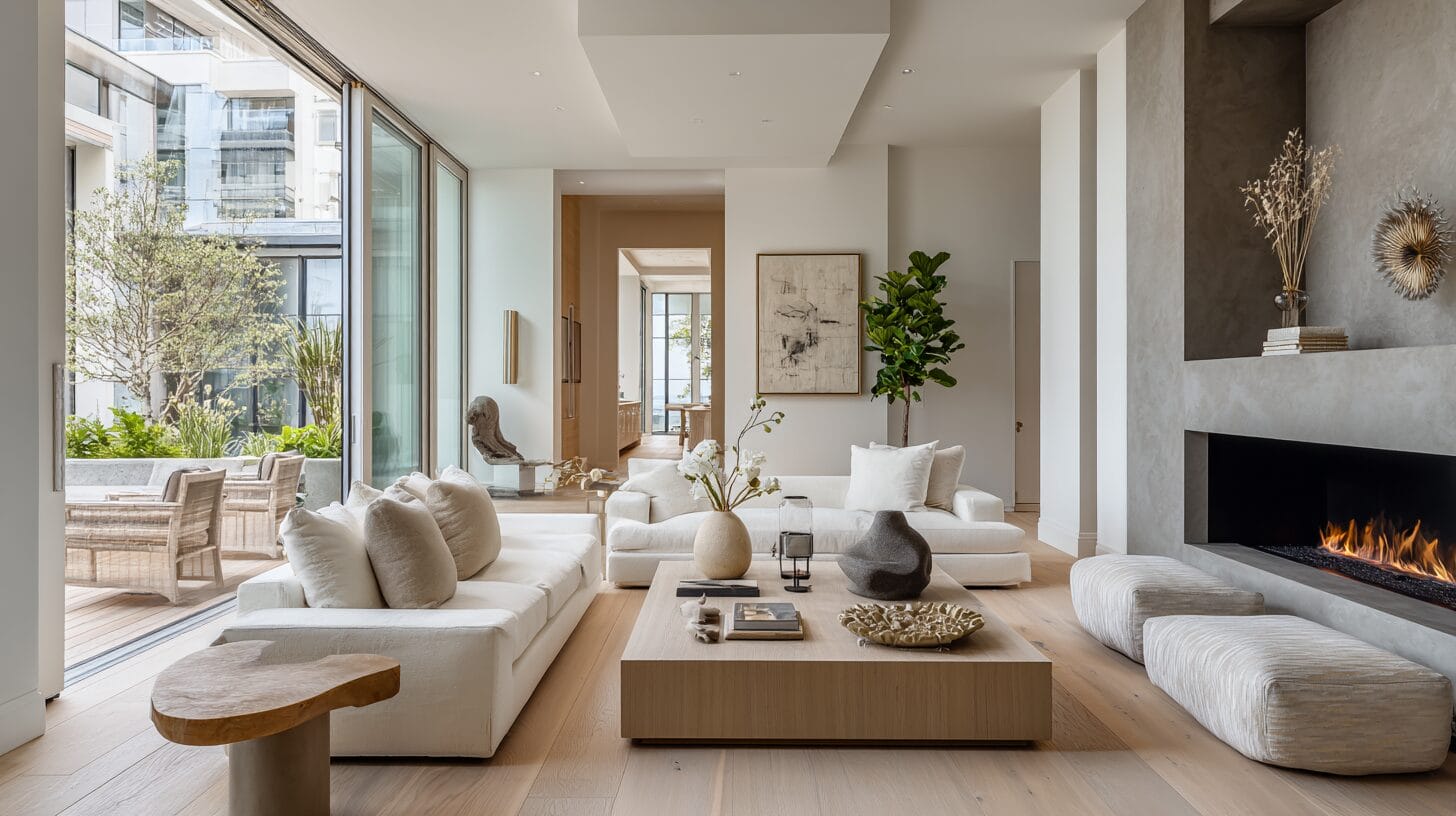
Design only: you get the plan and run the rest yourself.
In a design-only engagement, the designer delivers the vision (the concept, drawings, specifications, and a detailed selections list) and then hands it to you. You place the orders, manage the budget, hire and coordinate the trades, and handle whatever comes up on site. It is the most hands-on option and typically the lowest fee, and it suits homeowners with the time, confidence, and appetite to act as their own buyer and project manager. The trade-off is real: you are taking on two substantial jobs, and the coordination that looks straightforward on paper rarely is.
Design plus procurement: the designer designs and buys; you manage the build.
One step up, the designer keeps the design work and also takes over procurement (sourcing, ordering, tracking, and managing every product and material), so you are never chasing a backordered vanity or arguing with a freight company. What remains on your plate is the construction side: coordinating the trades and managing the install. This level suits homeowners who want a polished, well-sourced result without the purchasing grind, but who are comfortable quarterbacking the renovation itself. It removes the most tedious part of a project while leaving you in control of the build.
Full-service: design, procurement, and project management, handled for you
At the top of the ladder, the designer owns all three jobs. They design the space, procure everything, and manage the entire project (trades, timeline, site coordination, problem-solving, and the final install), so the hundreds of decisions a renovation demands sit with one accountable team instead of landing on your desk. This is the genuinely hands-off option, built for homeowners taking on more than a single room, anyone with a demanding schedule, and any project where structure, trades, and cohesion all have to come together at once. It carries the highest fee because it removes the most from your plate, including the risk of the pieces not lining up.
Home renovation is one of the larger investments Canadian households make, as Statistics Canada spending data shows, so it is worth matching the level of service to what you are protecting. If you want the numbers grounded before you choose, our Investment Guide breaks down what each level of service typically costs.

Not ready for a full engagement? Consulting sits below all of it.
If your project is small, or you simply want expert eyes on a few decisions (a layout, a paint direction, a single room), many designers offer hourly or session-based consulting. You bring the questions; the designer brings the judgement. It is the lightest-touch way to work with a professional, and often the right starting point when you are not ready to commit to a full design.
How to tell which level you actually need.
It comes down to three honest questions. Do you want to manage the construction and trades yourself, or have that handled? Do you want to do the buying and sourcing yourself, or hand it over? And how much of your own time and attention do you genuinely want this to take?
If you would happily project-manage and just need a plan, design-only fits. If you want the plan and the purchasing handled but will run the build, design plus procurement is your level. And if the honest answer is “I want it done for me,” full-service is what you are looking for.
Most cohesive main-floor projects land at full-service, and that’s where we focus.
A connected main floor only reads as calm when the kitchen, dining, and living areas are designed, sourced, and built as one. That cohesion is hard to achieve when design, purchasing, and trade coordination are split across different hands, which is why multi-room transformations, common across Calgary’s established neighbourhoods, tend to call for the full-service level, and why it is the work we do most.
Before You Choose a Designer
Before you compare a single portfolio, it is worth being sure which kind of service you actually need, because that decision shapes every one that follows. If this guide left you with new questions, good. Our blog stays a step ahead of them: what each level of service really costs, how to read a designer’s process, and when a renovation makes more sense than a refresh.
To see our latest projects, announcements, and articles, follow Calm Clarity Interiors on Instagram and LinkedIn, where the finished work shows exactly what full service looks like in a Calgary home.